
Animal Stories from the Hereafter: Giving love somewhere to land

Making your pets’ last day special
July 15, 2022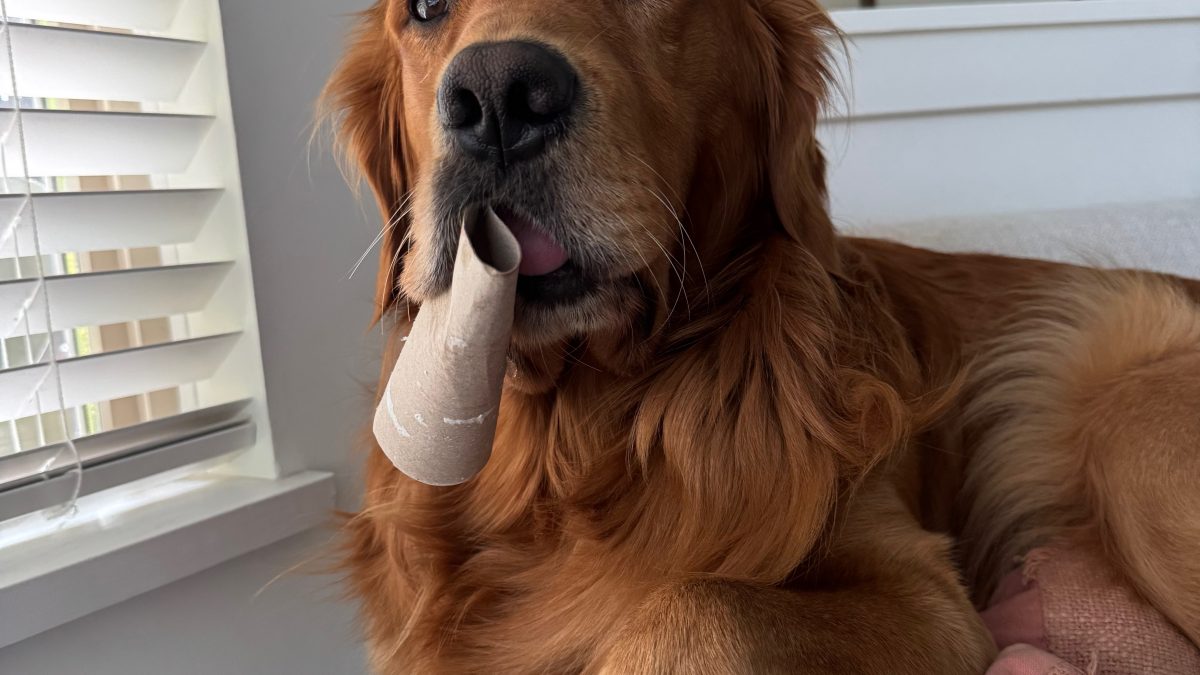
by Dr. Lianna Titcombe
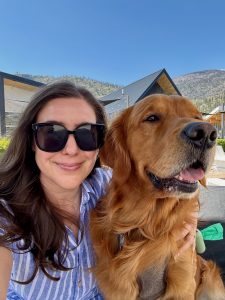
For more than two decades, my work has been centred on one essential truth: the bond between people and their companion animals is profound, life-shaping, and enduring.
In end-of-life care, I have had the privilege of walking alongside families during some of the most vulnerable moments of their lives. While my professional responsibility has always been to ensure comfort and dignity for the animal, a large part of my work has focused on caring for the people who love them – helping them navigate anticipatory grief, decision-making, and life after loss.
What I have seen again and again is that grief around pet loss is often underestimated. Companion animals are not simply part of our routines; they are witnesses to our lives. They see us through illness, loneliness, transition, joy, and growth. They shape how we live, how we love, and often, how we learn to care for another being.
When an animal dies, people are not just grieving a loss – they are grieving a relationship and a deep soulful connection. And many are left holding stories, memories, and meaning without a clear place to put them.
End-of-life moments matter deeply. A gentle, peaceful death is not an ending; it is the final act of care in a bond built over a lifetime. But it is only one chapter in a much larger story. What often comes afterward is a quiet emptiness: the routines are gone, the rituals have ended, and the relationship that shaped daily life suddenly has no visible place.
Throughout my time with the Pet Loss Support Group, I learned that people don’t just miss their pets, for they miss the relationship itself and the closeness of that bond. The way their animal knew them. The way their days were structured around care and companionship. The way love was expressed without words. How their pet weaved into their very identity.
Over the years, I’ve seen families instinctively reach for remembrance. They want to talk about their animal. They want to tell stories about who they were, what made them unique, and how they changed their lives. They want to honour the memories – not lock them away.
Storytelling gives shape to what otherwise feels intangible. It allows people to articulate why the bond mattered, and how it continues to live within them. From a grief perspective, this matters deeply. When memories are honoured rather than silenced, people often experience less isolation and less self-doubt about their feelings. They are reassured that their love was real, significant, and worthy of remembrance.
Recently, I was introduced to Companion Stories by LegacyNex, and it resonated with me immediately. It offers a gentle, intentional way for people to tell the story of their animal’s life — not focused on the moment of loss, but on the fullness of the relationship.
Throughout my work in end-of-life care, I am often reminded that we are not taught how to grieve. There is no guidebook, no descriptive course on how to move forward while carrying what can feel like a crushing weight of sadness. People need help, guidance, support, and some form of structure to their grief work. We can’t (and shouldn’t) go through this alone. Grief needs to be witnessed. And what better way to do this than story telling? This is where LegacyNex comes in. Through guided conversation or personal reflection, Companion Stories allows people to speak about their animal in their own words — capturing personality, adventures, lessons, and moments that mattered. For many, the process itself becomes part of healing: a way to integrate loss rather than suppress it.
This isn’t about holding onto sorrow. It’s about giving love somewhere to land.
One such story that stood out to me was about Hudson, a handsome Golden Retriever from the greater Vancouver area.
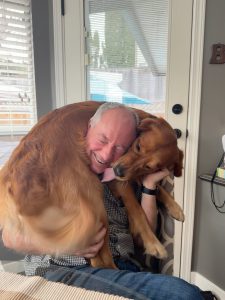
Hudson has a personality that blends quiet companionship and unmistakable presence. He is at once goofy and fun, but gentle and deeply supportive at the same time. I loved the segment entitled: Cardboard, egg cartons, and other delicacies. I loved his special connection to his grandpa. But mostly I loved the enduring joy he brought to his mom’s life. This was expressed in 106 pages of Hudson’s story. You animal lovers get it. Hudson isn’t just a pet — he is a bridge between generations, a witness to love, and a grounding presence in everyday life. Hudson’s story is a reminder that dogs don’t just live alongside us; they actively shape our lives in quiet, profound ways.
Love, in its truest sense, does not stop at the moment of death. It continues in how we remember, how we speak, and how we carry forward what was given to us. Honouring a relationship is not about holding on to the past – it is about recognizing what shaped us, and allowing that influence to remain part of who we are.
Supporting animals at the end of life has always meant supporting the people who love them. Companion Stories feels like a natural extension of that care – one that recognizes that relationships don’t end when a life does.